
Aromatherapy in the truest sense of the word is the practical use of 100 per cent pure, natural, whole, unadulterated, aromatic essences obtained from specific botanical sources by steam distillation or expression. It can be used to restore balance and wellbeing within the body and mind as well as for spiritual health.
Essential oils are the aromatic fragrant portions of plants which have therapeutic properties. They are produced by plants to protect them from disease, deterring hungry insects and attracting pollinators. These essences are non-water soluble, volatile compounds found in flowers, leaves, branches, seeds, roots, barks, resins and fruit peel. For example, rose oil is extracted from the petals, cinnamon extracted from the bark of the tree, eucalyptus from the leaves and lemon from the peel of the fruit. There is a difference between a plant extract and essential oil.
Our industry uses plant extracts all the time for their benefits such as lemon extract for its astringent properties and citric acid which may be used as an AHA or a preservative.
These extracts are different from essential oils. Apart from smelling pleasant and giving sensory gratification, essential oils offer highly therapeutic benefits and have the ability to create positive changes and responses in both physical and emotional aspects of the body.
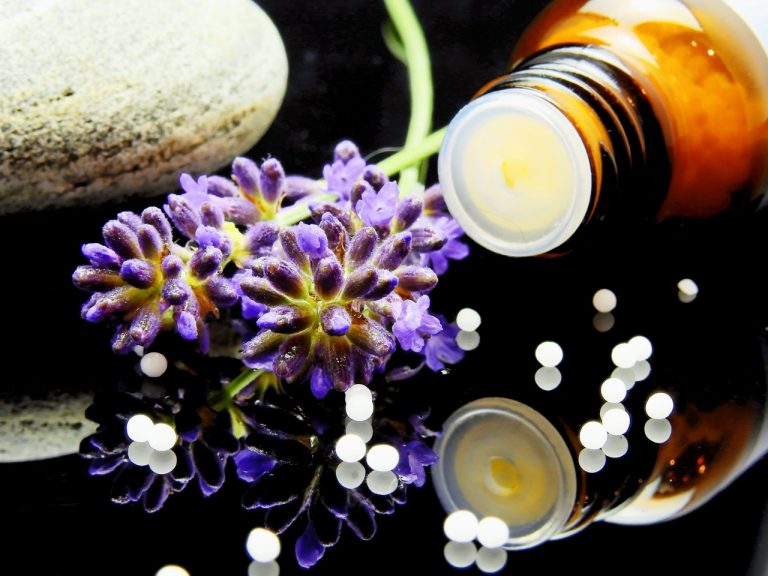
Each essential oil has a unique variety of chemical constituents such as ketones, alcohols, terpenes and esters which provide multiple benefits and properties. Lavender, for example, has antiseptic, anti-inflammatory and relaxing benefits to name a few.
Be aware that not all essential oils on the market have therapeutic properties. Some growers sell their oils to the food and drink industry, pharmaceutical industry, fragrance industry, cosmetic and soap industry or household cleaning industry, where the essential oils are used solely for their fragrance. When plants are grown for commercial use versus therapeutic use the growing process and extraction process can vary greatly.
We know many skincare ingredients are sourced from minerals, the petrochemical industry or are synthetically made in the laboratory. They can be precisely replicated time after time because the lab measures each chemical component. The results are consistent, predictable and measurable for commercial viability.
Essential oils rely on the influence of nature. As such, their growth is influenced by the amount of sun, amount of rain, growing region and time of harvest; all creating a variance in the ratio of components and can produce different components within the same species. If there is not enough rain or too much rain it could ruin a crop which will put it in short supply or increase the cost considerably.
Essential oils may be classified into three categories based on their viscosity and rate of evaporation. The fastest oils to evaporate are known as top notes, the slowest are base notes and middle notes are the category between. Often when blending oils having at least one oil from each category creates a richer, more potent and longer-lasting aroma. This knowledge is utilised by the perfume industry.
History of aromatherapy
The use of essential oils is not a new concept and can be traced back thousands of years through various civilisations. The Egyptians used essential oils for religious, cosmetic, medicinal and embalming purposes and these practices were taken up by future civilisations such as the Greeks, Romans and throughout the Arabian Empire.
Looking forwards to modern times, the French perfumer, chemist and researcher RenéMaurice Gattefossé were involved in an explosion in 1910 where his head and hands were severely burned. He developed gas gangrene where his dirty wounds were infected by bacteria that give off a foul-smelling odour.
He received treatment of picric acid (an antiseptic and astringent) and bandages but to no avail. As a last resort, he decided to apply lavender essential oil to his wounds and the results were rapid and astounding. In 1937 he published a book called Aromathérapie, therapeutics through essential oils and so the term was born. Dr Jean Valnet and Marguerite Maury are also pioneers of modern aromatherapy. Madam Maury started diluting essential oils in vegetable, carrier oils and massaging them into the skin.
Since the late 1970s, aromatherapy has become a major part of the alternative, holistic health system movement with a huge following across the world.
How is aromatherapy used?
There are several methods of getting oils into the body such as compresses, bathing, inhalation and massage; to understand the power of aromatherapy we must have a basic understanding of the sense of smell or olfaction as it is also known.
It is through the sense of smell that essential oils will make their first impact on the client. As humans, we can only detect volatile substances, where molecules are light enough to evaporate into the atmosphere and reach the nose. Essential oils are highly volatile which is why they are so aromatic.
We all know our sense of smell begins with the nose. At the top of the nasal cavity, we find the olfactory epithelium, about the size of a postage stamp this structure has millions of microscopic sensory nerves called olfactory hairs or olfactory neuron receptors embedded in its tissue. It’s suggested that humans have up to 40 million olfactory receptors whereas German Shepherd dogs have up to 2 billion; as canines have a much more acute sense of smell this would be consistent.
Chemical molecules enter the nose and dissolve in mucous covering the olfactory epithelium.
No one knows what actually causes olfactory receptors to react – it could be a chemical molecule’s shape or size or electrical charge. The electrical activity produced in these hair cells is transmitted to the olfactory bulb which extends into the olfactory tract and transmits the signals to the brain. The region of the brain activated by smell is known as the limbic system and is involved with memory, emotional behaviour, hormones, sexuality and the heart rate.
Often when we smell a certain odour it instantly triggers memories associated with an object or event, this is known as ‘anchoring’ and can give a profound effect to our emotions. Unlike other senses which pass through the thalamus region of the brain where sensory integration occurs, olfaction has a direct line. Impulses triggered in this area create endorphins and neurochemicals which can invigorate, soothe, relax, produce pleasant sensations, create a feeling of euphoria or restore emotional balance, bringing about both an emotional and physical response. A smell can trigger emotional and physical reactions even without our conscious awareness of it.
As well as inhaling essential oils another method of transporting essential oils into the body is via the skin. We know that the skin provides us with a protective barrier which keeps us waterproof, prevents harmful micro-organisms from invasion and keeps most chemicals out.
However, advances in technology now show us certain ingredients and drugs do actually penetrate that stratum corneum barrier.
Essential oils don’t rely on technology. When the molecular weight of a substance is under 500 Dalton (the standard unit of atomic mass) then it is thought to pass easily through the stratum corneum. Another feature of essential oils is they are lipophilic (oil-loving) and absorb via the sebaceous follicles and shunt routes.
Essential oils are very powerful and have an irritation potential to the skin if misused which is why we would always dilute and blend into a carrier oil vehicle. There are only two essential oils deemed safe to use directly on the skin without being diluted; tea tree and lavender, however, we would only use these in small quantities on targeted areas for a specific effect such as to treat a breakout or give improvement to a minor burn.
Essential oils are not technically classed as ‘oil’ because they don’t contain fatty acids, but the origin of the name comes from the word “essence,” because the fragrances are the essence or substance of many plants. They are highly volatile meaning they evaporate easily and have a fragrance. Whereas carrier oils, which are also, extracted from plants, usually seeds or nuts, have a heavy texture, leave a greasy mark and do not evaporate.
Carrier oils are beneficial to the skin as they improve their flexibility and texture. Because of the molecular size carrier oils stay on the surface of the skin and absorb slowly.
Pure essential oils are too potent and could irritate the skin if used undiluted so we add them in small quantities to the carrier oils which can then safely be massaged into the skin. This is also where lipo solvency comes into play. Lipo meaning lipids/fats and solvent meaning dissolved in. When we add essential oils to carrier oils the essential oils dissolve in them. Think of adding sugar to tea. If we add sugar to tea it will dissolve in it. The sugar hasn’t disappeared, and we can still taste it, however, it’s now in a different form. Essential oils are the same when we add them to carrier oils.
Essential oils have a fragile chemical structure and are easily destroyed by temperature and UV light so need to be stored in dark bottles away from heat and light. Carrier oils are more stable but are prone to oxidation or what we call going rancid.
There are many aromatherapy brands which create pre-blended formulations. This formulation enables therapists without full training in aromatherapy to incorporate these amazing oils into their treatments. The blends are created with specific outcomes and effects in mind so that the therapist can offer an all-round approach to client needs. Whether clients wish to relax or revitalise, soothe or sedate, then aromatherapy will be for them.